Week 44, 2026 ·
Ratchet & Clank reaches 100% matched, and Going Commando climbs to 84.74%
By @Lynder063 with Claude Code
7 titles · 8 projects · 22 mods
A hub for the community decompilations of Ratchet & Clank: readable source code that compiles to the original games' exact bytes
Unofficial and community driven. You need your own copy of the original game to play. Learn more →
The percentage is the share of each game's code that compiles to exactly the retail bytes.
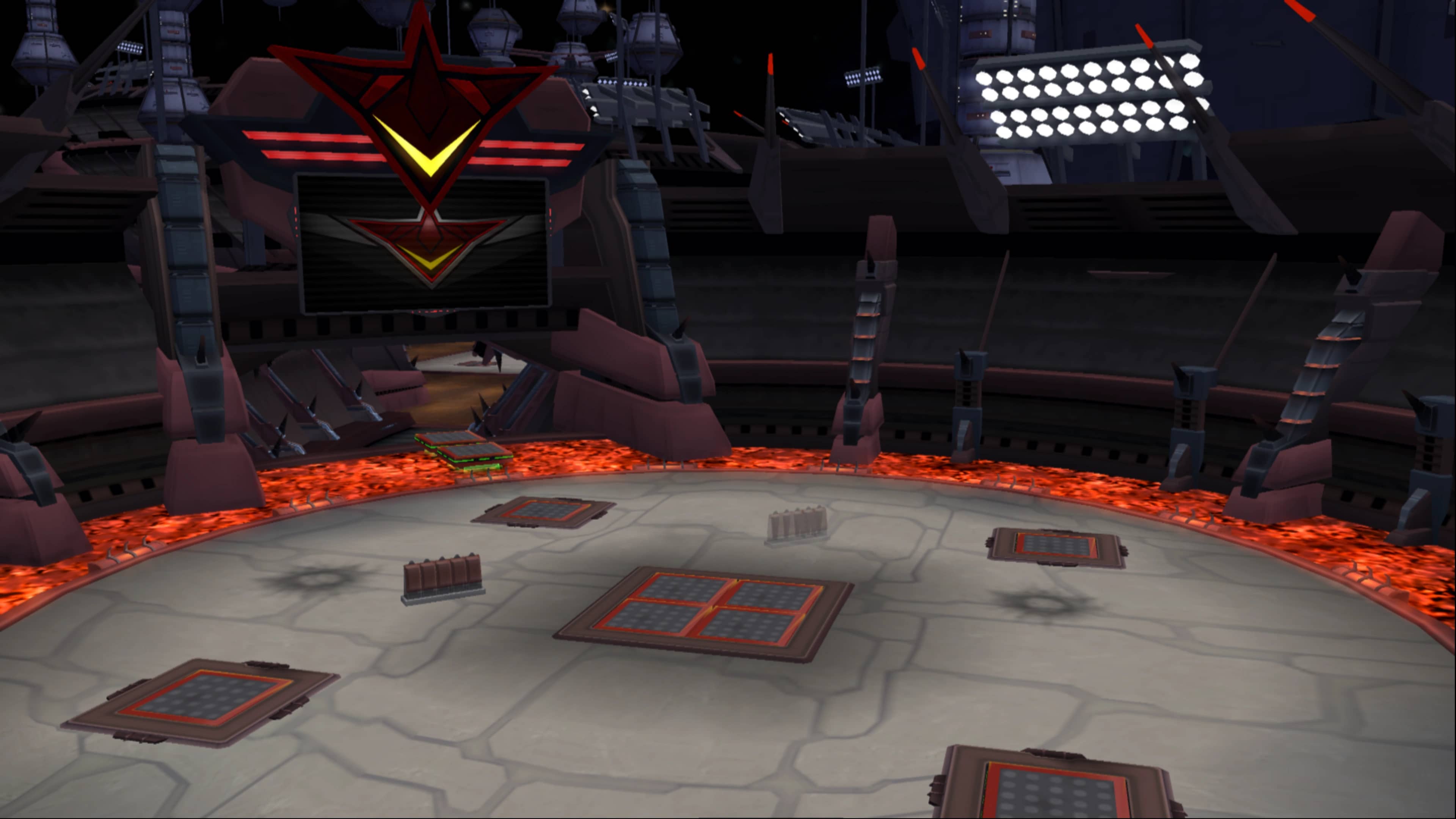
The four PlayStation 2 releases of the main series, from the 2002 debut to the combat arena of Deadlocked.
decompilation · 2002PAL · Europe
data 99,95 %
decompilation · 2002NTSC-U · USA
data 77,18 %
decompilation · 2003
data –
decompilation · 2004 · PAL
data –
decompilation · 2005 · NTSC-U
data –
Handheld and spin-off entries in the Ratchet & Clank universe.
Java reconstruction · 2005 · J2ME
data –
decompilation · 2008 · NTSC-U · PS2 port
data –
decompilation · 2009 · NTSC-U · PS2 port
data –
The figure is matched code, weighted by size, the same number ByteMatch shows; the data figure and the fainter bar under it are the share of the game's data that matches, where the project's report measures it. Each title links to its own community repository, and a title without a link has not been started. Numbers are read from the repositories on the server and refreshed every ten minutes. Roadmap entries are not a promise.
You do not need to be a reverse engineer. Every project here welcomes newcomers.
Join the Discord, tell us what you are curious about and pick a starting point with people who have done it before.
Follow the setup guide of the project you like. You will need your own legally obtained copy of the game, we never provide one.
Take a small one, get it to compile to the same bytes and open a pull request. Reviews, notes and tooling help just as much.
What happens across the projects, week by week.
Week 44, 2026 ·
By @Lynder063 with Claude Code
The latest commits across the tracked projects, straight from GitHub.
Matching decompilation, in three steps.
Your own copy of the game is split into code and data. Nothing extracted from it is ever stored in the repository.
We write plain C for each function and compile it with the same compiler and flags the original developers used.
If the output matches the original bytes exactly, the function counts as done. The build and progress report are public and reproducible.
Tools, guides and related work that decompilation projects like these rely on.
The short answers.
No. OpenRAC contains no game assets, no game code and no game binaries. To build anything, the PC port included, you need your own legally obtained copy of the game.
OpenGOAL targets a different game and toolchain. OpenRAC follows the same spirit: understand a classic game, document it, and make it possible to study and preserve. Our method is byte-matching decompilation.
Yes. A native PC port is built from the decompiled code, and the launcher sets it up from your own disc. It is a result of the decompilation and a way to show how the reconstructed code runs, not the main focus. The goal stays a complete, accurate source reconstruction of each game.
Yes. Community mods are listed at openrac.dev/mods: press Install and the launcher adds the mod with everything it needs, and keeps it up to date. Mods are made with the OpenRAC SDK, and anyone can list theirs.
A function or method is matched when the reconstructed code compiles to exactly the same instructions or bytecode as the retail build. The percentages reflect verified code and functions divided by the totals.
Yes, and every one of them by an independent team. Each project has its own people, its own repository and its own way of working. This page only gathers them in one place.
We offer every team the same thing: one shared place where people can follow your progress next to the others, measured the same way and linked straight to your repository. It is an invitation, never a requirement. Nobody has to join OpenRAC or move a project under it, and the offer stands for everyone.
Read CONTRIBUTING.md on GitHub. Reviewing, documenting function behavior, and improving tooling all help, not just writing matches.
No. Please do not upload or link game files, dumps or other copyrighted material to issues, pull requests or the community channels.
Parts of this project are built with the help of AI coding assistants. We think that should be stated plainly rather than hidden, so here is how we use it and where we draw the line.
Matching decompilation is unusually well suited to machine help because success is objective. A function either compiles to the original bytes or it does not. An assistant proposes C, the compiler judges it, and that result is the only thing that counts. A wrong guess costs nothing and never ships.
Our weekly news reports are written with AI as well. A named person uses a tool of their choice, reads the result and submits it for review. Each report says who wrote it and with what, and lists the pull requests behind it, so you can check it yourself.
AI does not decide what the project is. People set the goals, review what lands, and answer for it. Every accepted function is reproducible from the public toolchain, so anyone can check the work without trusting the tool that helped write it.
Plain, readable C only, with no tricks to force a match. No game assets or dumps are fed to any tool in a way that would end up in the repository. Contributors are welcome to use or avoid AI as they choose, and are responsible for what they submit either way.
Preservation work depends on trust. Saying how the work is done, and making it verifiable, lets people judge it on the evidence. We would rather explain a tool than have anyone wonder about it.
OpenRAC is an independent, unofficial fan project. It is not affiliated with, endorsed by or sponsored by the owners of the games or their publishers. "Ratchet & Clank" and related names, characters and logos are trademarks of their respective owners and are used here only to identify the games this project studies.
The source of this website contains no copyrighted game assets, no game code and no game binaries, and neither do the decompilation repositories it links to. A legally obtained copy of the game is required to use any tool from those projects. See LEGAL.md in the repository for details.